STRENGTH
Small muscles, big job
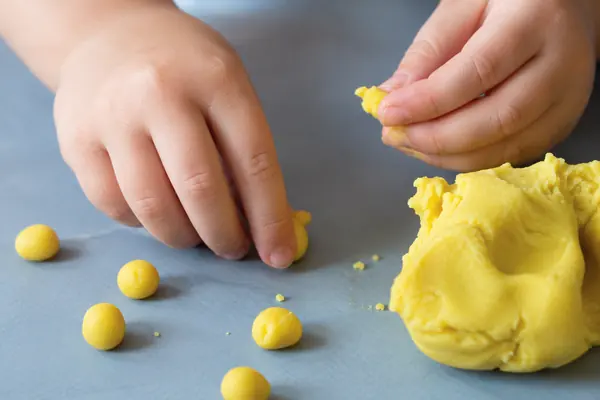
Dough play helps strengthen the small muscles in the hands and fingers. NHS therapists link weak hands with harder pencil work.
Pick a move doodleplaydough
WHAT THE THERAPISTS SAY
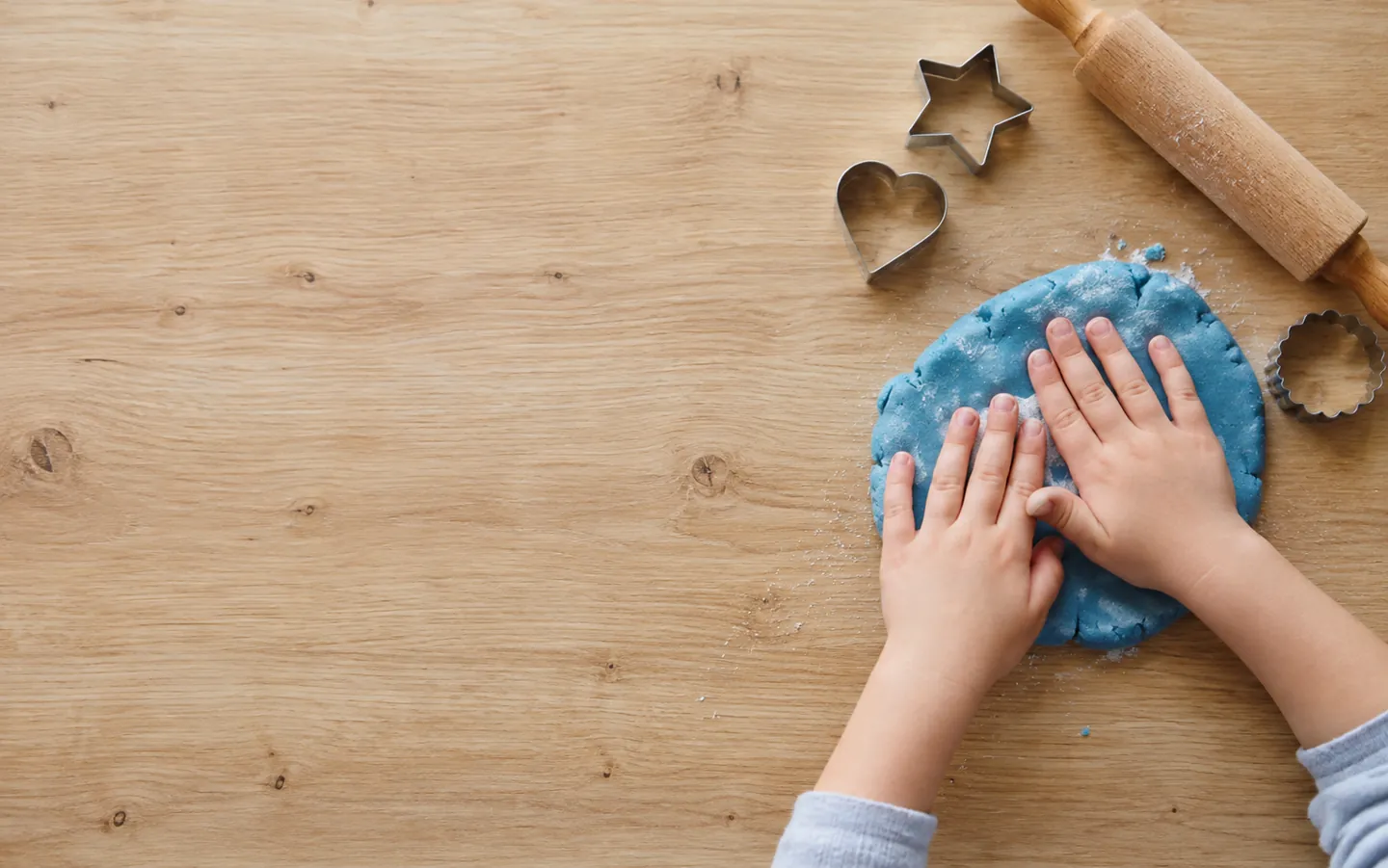
A lump of dough is a small workout for small hands.
10–15 MIN a day of dough play
22–32% Salt in three tested recipes, by weight
Children's occupational therapists use dough to build the hand and finger strength behind holding a pencil. Homemade dough is cheap and easy, but it is very salty, so it is for playing with, not eating.
THE SHORT ANSWER
Therapists use dough to build strength.
Its salt is the reason to supervise.
STRENGTH
Dough play helps strengthen the small muscles in the hands and fingers. NHS therapists link weak hands with harder pencil work.
Pick a moveSKILLS
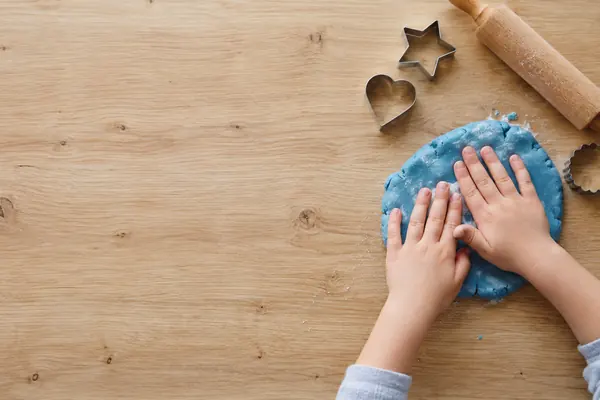
Rolling, pinching and cutting dough builds hand-eye coordination and two-handed skills, and sensory play can help a child feel calm.
Try four movesSAFETY
Homemade dough often holds a large amount of salt, which is poisonous to pets and can harm a small child who eats it.
See the numbersGeneral information only, not professional safety advice. If someone is in immediate danger, call the emergency services.
A QUICK MOVE CHECK
Pick a dough move to see what it works on. The bar shows how fine and precise the finger work is.
Based on NHS and council children's occupational therapy activity sheets. General information, not a therapy plan.
FOUR MOVES TO TRY
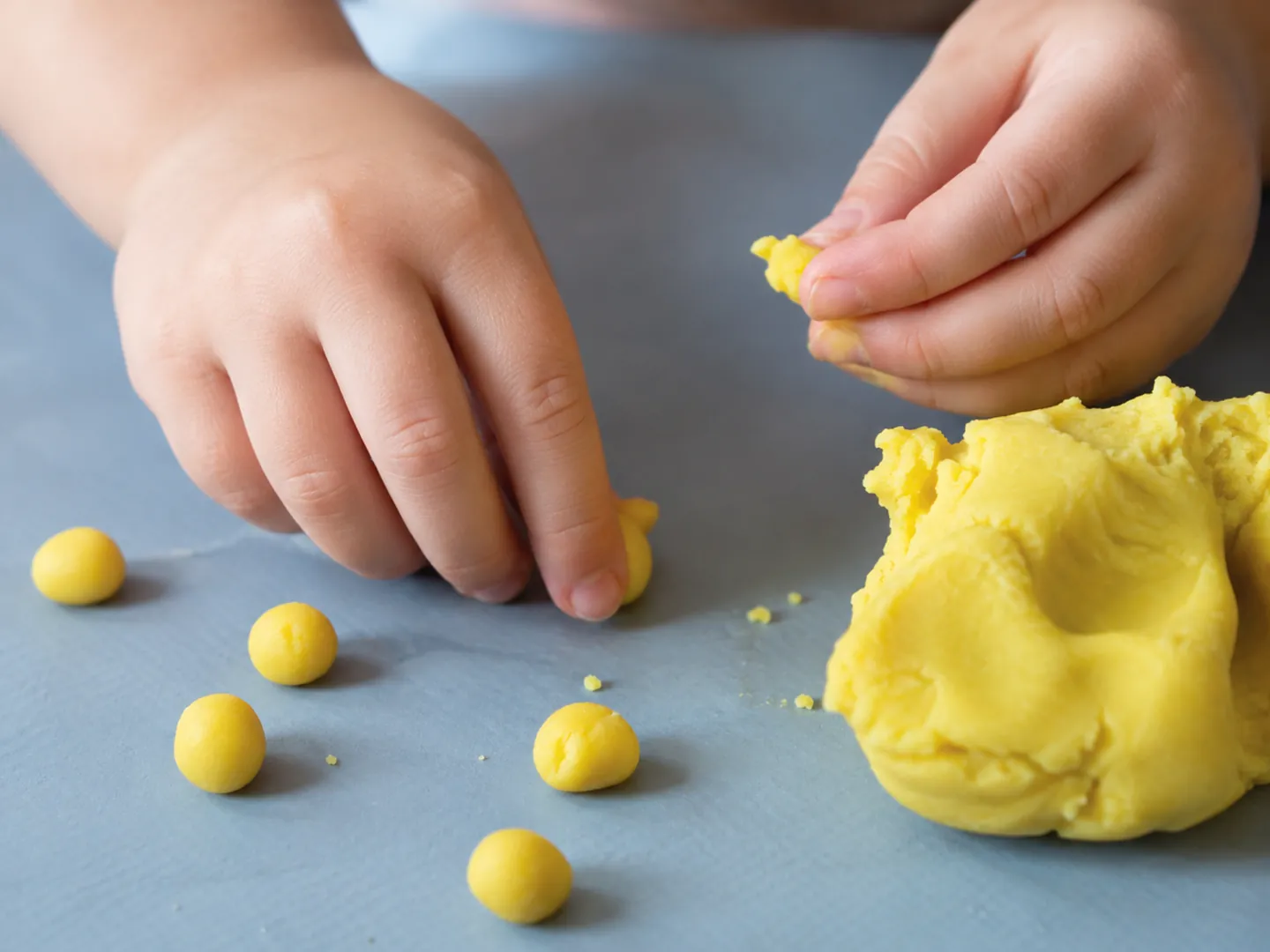
One NHS therapy sheet suggests 10 to 15 minutes a day, with one or two activities each time, sitting with feet flat and forearms on the table.
Squash a ball flat with a fist, then roll it back into a ball and smooth it with both hands.
Push cocktail sticks into a ball of dough for spines, a fiddly job for fingers and thumbs.
Hide small objects in the dough and pull it apart to find them, under close supervision.
Keep homemade dough in an airtight container, out of reach of pets and children between sessions.
TWO NUMBERS WORTH KNOWING
One figure on what homemade dough contains,
one on how much salt a toddler should have.
22–32%
Salt in three tested recipes, by weight
A US poison centre found about 3.9 to 5.7 g of salt per tablespoon of dough, and said one tablespoon of two recipes would put a 10 kg child in the toxic range.
HOMEMADE DOUGH · POISON CENTER
2g
Most salt a 1 to 3 year old should have a day
The NHS says children aged 1 to 3 should have no more than 2g of salt a day, and babies under 1 less than 1g, because their kidneys cannot yet process much.
TODDLERS · NHS
Pets are at risk too: PDSA lists play dough among household sources of salt, which it calls extremely poisonous to pets. Signs in pets include vomiting, excessive thirst, loss of coordination and, in severe cases, seizures. If a child or pet eats homemade dough, get medical or veterinary advice straight away.
SENSORY PLAY
Therapists also describe dough as sensory play that can help children feel calm and relaxed, while building concentration, creativity and play with others.
Some children dislike the feel of dough. The council therapy guidance advises not forcing a sensitive child to touch it; let them explore at their own pace, perhaps with tools first.
Questions
NHS and council occupational therapists use dough to strengthen the small muscles of the hands and fingers. One NHS sheet notes that reduced hand strength can affect fine motor tasks such as using a pencil.
One NHS children's OT sheet suggests 10 to 15 minutes a day, choosing one or two activities each day, with the child sitting with feet flat on the floor or standing at a table.
It should not be eaten. A US poison centre found tested recipes were 22 to 32% salt by weight, and said one tablespoon of some recipes could put a 10 kg child in the toxic range. Get medical advice if a child eats some.
Homemade dough can be. PDSA lists play dough as a source of salt, which is extremely poisonous to pets. Contact a vet straight away if your pet eats any.
Do not force it. Therapy guidance advises letting sensitive children explore at their own pace, for example starting with cutters or a rolling pin.
Updated
ABOUT THIS NAME
doodleplaydough.com is part of the DoodleSale portfolio. It isn't in an auction right now, but you can ask about leasing it.